Help & Advice
Decoding a VIN and checking a vehicle's history
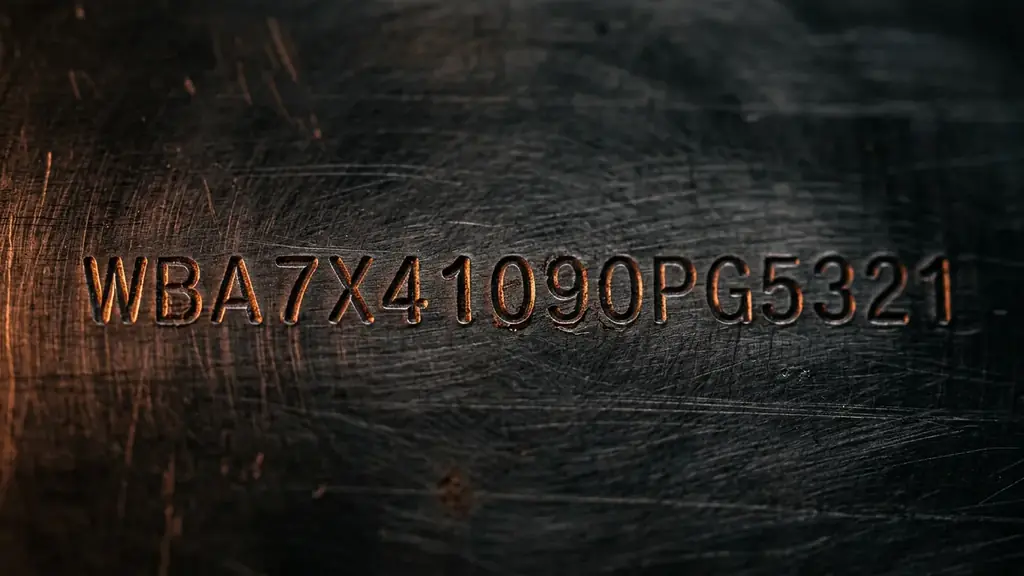
The VIN is the car's identity card. Decoding it reveals its original specifications and helps spot inconsistencies.
What is the VIN
The VIN (Vehicle Identification Number) uniquely identifies a vehicle.
- 17 characters, digits and letters
- Visible on the windscreen, the driver's door pillar and the registration certificate
- It never changes throughout the vehicle's life
What decoding reveals
Decoding the VIN reconstructs the vehicle's original spec sheet.
- Make, model and year
- Engine and factory specifications
- Country or plant of production
Free VIN decoding on Luxydrive
The platform builds in decoding to make every listing more reliable.
- Free decoding, based on the public vPIC database
- The specs are pre-filled when you post the listing
- A solid, verifiable starting point for the buyer
Checking consistency
The VIN is above all a way to cross-check what the seller says.
- Does the VIN match the advertised model and version?
- Are the options and the engine consistent?
- Cross-reference with the service history and invoices
What the VIN doesn't tell you
Decoding tells you about the origin, not the vehicle's entire life.
- It doesn't show accidents or insurance claims
- It doesn't prove the actual mileage
- Ask for the service book, invoices and the latest roadworthiness certificate
FAQ
No. Luxydrive offers free VIN decoding, based on the public vPIC database, built into the listing process.
No. It provides the original manufacturer data; for the claims history, request the documents from the seller.